Under-sink drinking water
RO is typically installed at the point of use — under a kitchen or bathroom sink. Water tastes and looks better than untreated supply. Units can also be mounted in a cabinet, garage, or basement.
RO Applications
From under-sink drinking water to industrial process plants — where reverse osmosis excels, where it depends, and where simpler filtration is the better choice.
RO is one of the most effective water purification technologies available — but it is not the right answer for every application. Understanding where it fits helps you choose the right AquTai system for your home, business, or specialty use.
Quick Guide
A practical overview of common RO applications — grouped by setting.
Domestic
Point-of-use RO is most common in kitchens and drinking water lines — not every tap in the house.
RO is typically installed at the point of use — under a kitchen or bathroom sink. Water tastes and looks better than untreated supply. Units can also be mounted in a cabinet, garage, or basement.
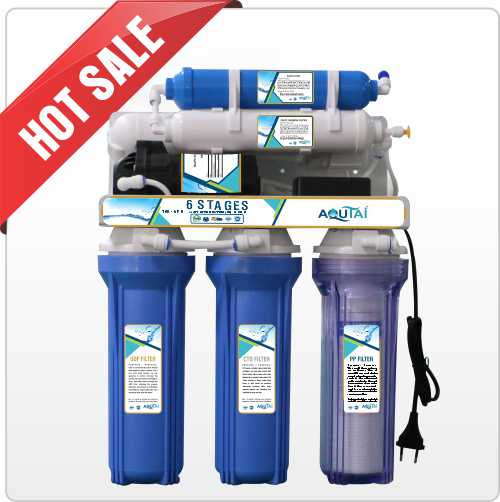
Connecting an under-sink RO system to your refrigerator is straightforward. RO water produces clearer ice and refreshing beverages; ice cubes made with RO water often last longer.
If your drinking water comes from a private well, an RO system is an excellent way to ensure what reaches your tap is safe — removing dissolved contaminants that basic filtration may miss.
Whole-house RO is only needed for specific problems such as saltwater intrusion, high silica, or contaminants only reverse osmosis can treat. Flow rates are too low for every fixture without a large booster pump, storage tank, and UV disinfection.
RO is rarely practical for showers due to low flow and storage requirements. A carbon filter or water softener is usually a simpler, more appropriate solution.
One supply line typically serves an entire building, making a point-of-use RO system for a single unit impractical without dedicated plumbing or building-wide treatment.
Business
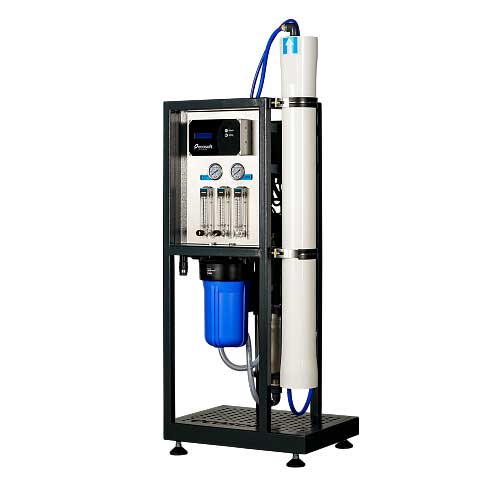
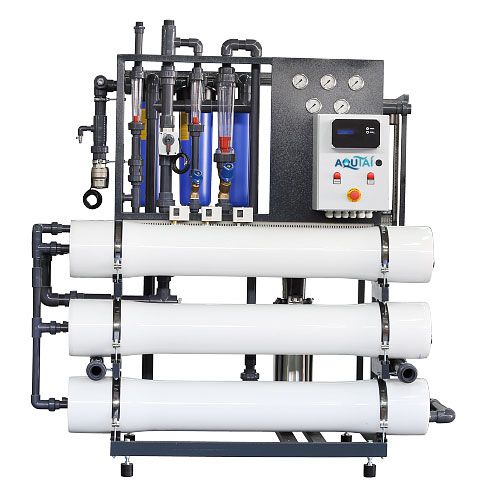
Higher-capacity AquTai systems serve restaurants, clinics, factories, and process water applications.
Commercial RO units deliver consistent purified water for food service, coffee, ice machines, and staff drinking points — with capacity suited to daily demand.
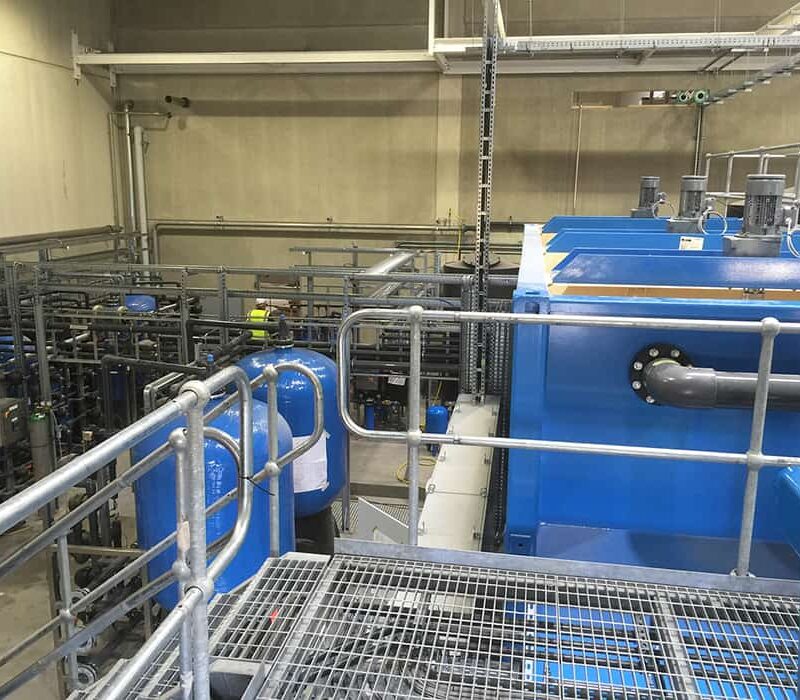
Industrial RO plants remove dissolved solids, paints, dyes, and other contaminants from feed water. Larger systems can recycle concentrate back into the feed stream for efficiency.
RO provides the consistent water quality required for laboratory work, medical equipment, and hygiene-sensitive environments.
Specialty
Some uses suit RO perfectly; others are better served by simpler filtration.
RO strips all minerals from water so aquarists can add back exactly the salt mix required — ideal for marine fish enthusiasts.
RO works well for hydroponic farming and misted greenhouse applications, but not all plants thrive in demineralised water. Suitability depends on crop type and nutrient dosing.
Filling a pool with RO water wastes enormous volumes to drain. Dissolved solids in pool water are less critical — other treatment methods are more practical.
RO requires a reliable drain connection and storage tank space — both difficult to accommodate in recreational vehicles and at campsites.
Commercial & Industrial
Businesses and industrial facilities rely on RO for consistent water quality at scale — from restaurant kitchens and coffee shops to factories needing process water free of dissolved contaminants.
Commercial and industrial AquTai units are designed for higher throughput, with options for concentrate recovery and integration into multi-stage treatment skids.
Browse industrial RO systems →
System Lifespan
AquTai RO systems are built for long service life — with regular filter and membrane maintenance.
PP and carbon cartridges should be replaced on schedule — typically every few months depending on water quality and usage. Fresh prefilters protect the membrane and maintain taste.
The membrane itself usually lasts 1–2 years with proper pre-treatment and care. Signs of reduced output or rising TDS indicate it is time for replacement.
Post-carbon, mineral, and alkaline cartridges polish water after storage. Replace alongside or shortly after prefilter changes for best results.
With routine maintenance, the RO unit, pump, and storage tank can serve reliably for many years — AquTai has supported customers worldwide since 2004.
Choosing a System
The right system depends on your application, water quality, and daily capacity needs. AquTai offers a complete range — all engineered and manufactured in Taiwan.
Under-sink and countertop systems for safe drinking water, refrigerator lines, and well water treatment.
Browse domestic range →
Higher-capacity units for restaurants, offices, clinics, and food service applications.
Browse commercial range →
Heavy-duty skids for process water, manufacturing, and large-scale purification requirements.
Browse industrial range →Continue Learning
New to RO? Start with the basics and work through the full AquTai guide.
The natural process behind reverse osmosis and how membranes separate pure water.
Read article →Prefilters, RO membranes, and post-filters that work together in every AquTai system.
Read article →From prefiltration and membrane separation to storage tanks and post-treatment.
Read article →Why clean drinking water matters for health, hydration, and everyday wellbeing.
Read article →Tell us about your water source and intended use — our team will recommend the right AquTai RO solution.