Pure water to your tap
Filtered water passes through the membrane and flows to the storage tank, then through post-filters before reaching your faucet.
- Contains purified drinking water
- Stored until you need it
- Polished by post-treatment filters

RO Technology
From prefiltration and membrane separation to storage and post-treatment — how an AquTai reverse osmosis system produces pure water every day.
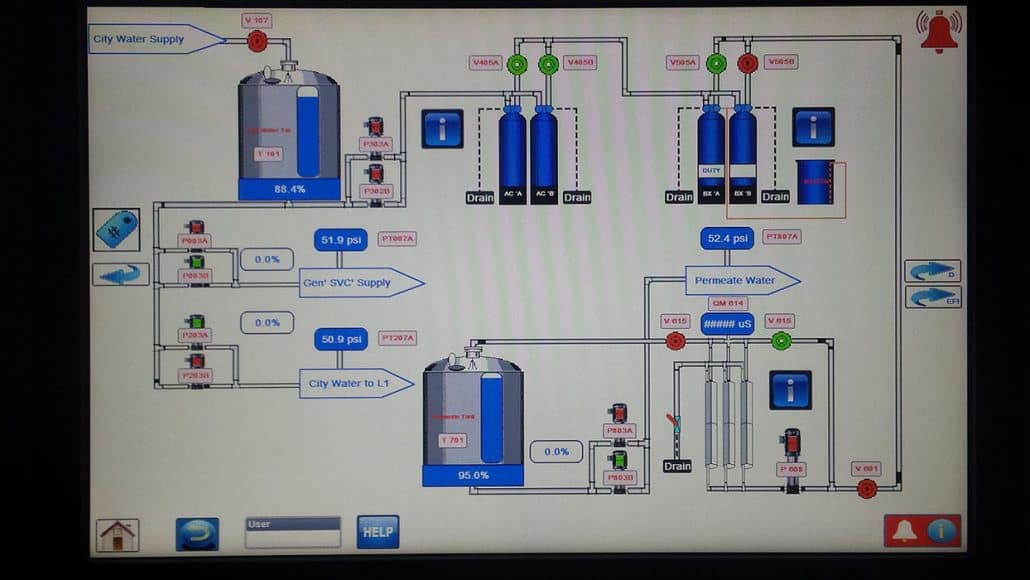
When water enters an RO system, it passes through multiple treatment stages before reaching your tap. Prefilters protect the membrane, the membrane removes dissolved contaminants, purified water is stored until needed, and post-filters polish the final output. Understanding this flow helps you maintain your system and appreciate why each component matters.
Treatment Flow
Feed water is transformed into safe drinking water through a sequenced process that runs automatically.
Why a Storage Tank?
A reverse osmosis membrane generates purified water at a modest rate — typically around 2–3 ounces per minute for a domestic unit. If you filled a glass directly at membrane speed, you would wait several minutes.
That is why every residential RO system includes a storage tank. The system continuously filters water until the tank is full, then pauses. When you turn on the tap, stored permeate flows out immediately through the post-filters — giving you convenience without compromising purification quality.
See all filter stages →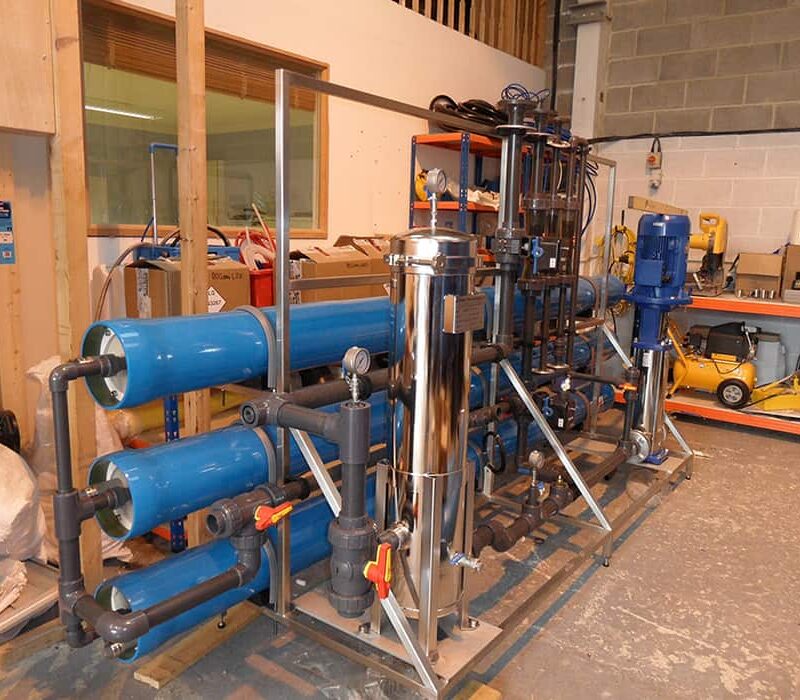
Two Water Streams
Unlike carbon filters that trap contaminants internally, an RO membrane divides water into two separate paths.
Filtered water passes through the membrane and flows to the storage tank, then through post-filters before reaching your faucet.
Rejected salts, dissolved pollutants, and minerals are carried away in the concentrate stream and discharged to drain.
Self-Cleaning Membrane
Because contaminants are carried away with the brine water, they cannot build up on the membrane surface and cause clogging. Many AquTai systems include an automatic flushing cycle that further extends membrane life.
Carbon filters, by contrast, gradually saturate as impurities accumulate on the carbon media — which is why pre- and post-filter cartridges must be replaced on a regular schedule even when the membrane is still performing well.
Environmental Theory
AquTai's perspective on why home RO treatment can benefit the wider water cycle.
City water is treated at a plant before it reaches your home. When wastewater leaves your property, it must be treated again before recycling or returning to rivers.
Wastewater often contains household chemicals that treatment plants must remove — frequently by diluting with cleaner water sources.
Water that has passed through an RO system is largely free of chemicals already captured by carbon filters. The brine carries a slightly higher concentration of inorganics only.
Because no new chemicals are introduced when RO-treated water drains from your home, the downstream treatment and recycling process can be more efficient.
What RO Removes
AquTai reverse osmosis drinking water systems are tested and certified for reduction of a broad range of contaminants — making water safer for everyday use.
AquTai RO systems are tested and certified to reduce a wide range of total dissolved solids (TDS) and impurities — including metals and contaminants too small to see, even under magnification.
Carbon pre-filters adsorb chlorine and organic chemicals. The RO membrane rejects bacteria, viruses, and parasites such as cryptosporidium that can cause serious illness — especially in children.
Excess lead in drinking water is linked to serious health complications. RO membranes block lead and sodium molecules, producing water suitable for people on low-sodium diets.
By removing hardness, chlorine, and dissolved minerals that affect flavour, RO water tastes noticeably cleaner and sweeter compared with untreated hard groundwater.
Purified RO water is widely used where water quality is critical — including households, clinics, and situations where immunocompromised individuals need the highest confidence in their drinking water.
Reverse osmosis has been used in households since the 1970s, providing clean, pure water for millions of families worldwide. AquTai has manufactured RO systems in Taiwan since 2004.
Continue Learning
Explore the full AquTai RO guide — from basic theory to real-world applications.
The natural process behind reverse osmosis and how membranes separate pure water.
Read article →Prefilters, RO membranes, and post-filters that work together in every AquTai system.
Read article →Why clean drinking water matters for health, hydration, and everyday wellbeing.
Read article →Where reverse osmosis fits — homes, restaurants, laboratories, and industry.
Read article →Browse our domestic, commercial, and industrial reverse osmosis range — or speak with our team about the right configuration for your water.